Important: this page is general information, not medical training. We strongly recommend a recognised outdoor first-aid course, typically 16 hours, before you head into remote country.
Read the Forecast Properly
Valley forecasts are not mountain forecasts. Temperature typically falls around 6 to 10 °C for every 1,000 m you climb, and wind speed on exposed ridges can be double what it is at the car park. In the UK, use the Mountain Weather Information Service (MWIS) and the Met Office mountain forecasts. In the US, use the National Weather Service's point forecasts, which let you click a specific spot on a map, including trail areas and summits.
Check before you go
- Wind speed and gusts at summit height
- Freezing level and wind chill
- Chance of thunderstorms and their timing
- Hours of rain and cloud base
- Sunset and sunrise times
Set a Turnaround Time
Decide at home the latest time you will reach a key point — a col, a summit, the camp — and the conditions that will make you turn back. Write both on your route card. When the time comes, honour it. Turning back is not failure; it is the plan working.
Thunderstorms
If you hear thunder, lightning is close enough to strike. Leave summits, ridges and open ground, avoid isolated trees and metal fences, and descend to lower, more sheltered terrain. Many summer storms build in the afternoon, so plan exposed sections for the morning.
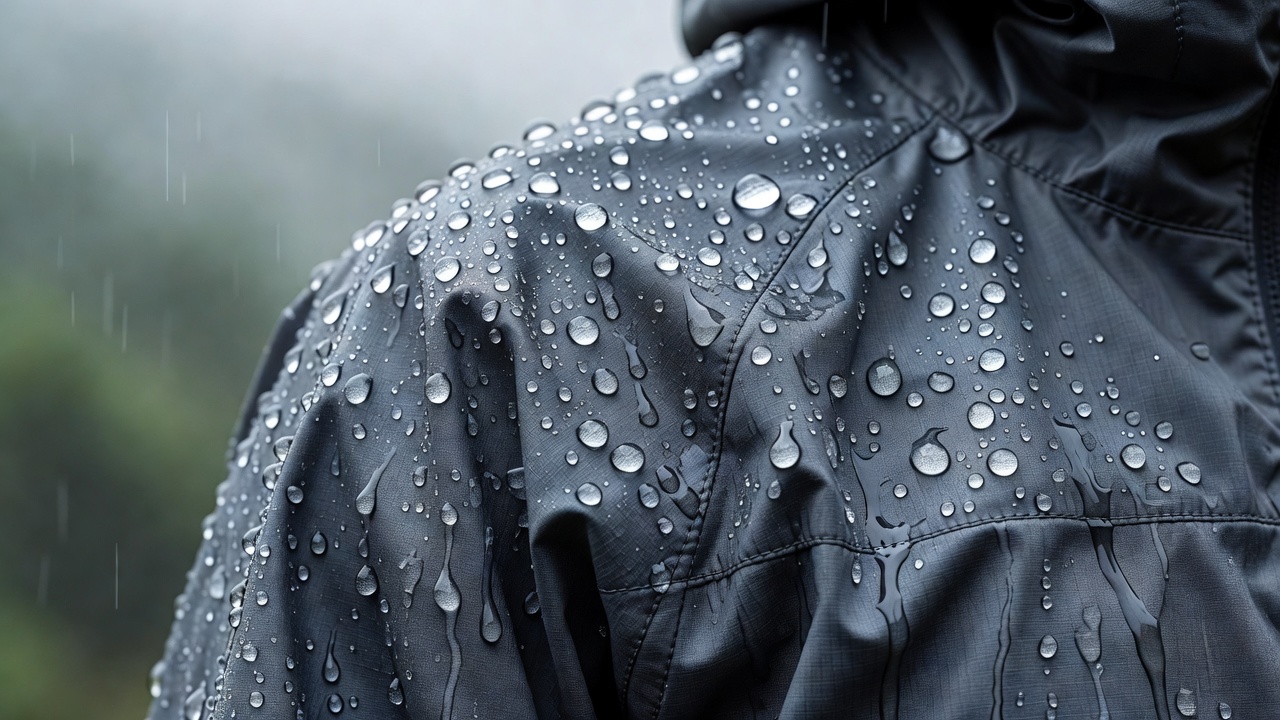
Cold and Heat
Hypothermia is possible well above freezing when you are wet, tired and exposed to wind. Watch for the "umbles" in yourself and others: stumbles, mumbles, fumbles and grumbles. Act early: shelter from wind, add dry insulation, eat and drink something warm and sugary, and get into a sleeping bag if needed. Severe symptoms, such as confusion or stopping shivering, are an emergency.
Heat illness is the summer equivalent. Headache, nausea, dizziness and heavy sweating suggest heat exhaustion; rest in shade, cool down and drink. Confusion, hot skin and collapse suggest heatstroke, which is life-threatening: cool the person aggressively and call for help.
Make Water Safe
Even clear mountain streams can carry bacteria, viruses and protozoa such as Giardia. Treat all wild water.
| Method | Strengths | Limits |
|---|---|---|
| Boiling | Kills bacteria, viruses and protozoa. Bring to a rolling boil for 1 minute (3 minutes above about 2,000 m) | Uses fuel and time |
| Filter | Fast, no taste, removes bacteria and protozoa | Most do not remove viruses; can freeze and crack |
| Chemical tablets | Light, cheap, good backup | Wait times of 30 minutes to 4 hours; less effective on Cryptosporidium |
| UV pen | Quick, effective on clear water | Needs batteries; cloudy water must be pre-filtered |
A First-Aid Kit You Can Use
Core kit
- Blister plasters and zinc oxide tape
- Assorted adhesive dressings and sterile wound pads
- Crepe or elastic bandage for sprains
- Triangular bandage and safety pins
- Antiseptic wipes, tweezers, tick remover
- Pain relief and antihistamine, plus personal medication
- Nitrile gloves and a foil survival blanket
Treat hot spots before they become blisters: stop, take your boot off, tape the area. It costs two minutes and can save your trip.
Stop early. Tape early. Turn early. Small decisions keep big problems away.
Calling for Help
In the UK, call 999 or 112, ask for the Police, then Mountain Rescue. Register your phone in advance for the emergency SMS service by texting "register" to 999, which lets you contact services by text where voice signal is weak. In the US, call 911; in much of Europe, 112. Give your location as a grid reference or coordinates, the nature of injuries, and the number of people in your group. Stay where you are unless told otherwise, keep warm, and keep your phone switched on.